Small rooms often feel more cramped than their measurements suggest. The culprit is usually clutter, poor lighting, or furniture that fights the space rather than works with it. The good news is that creating a feeling of spaciousness has little to do with knocking down walls — a few thoughtful changes can make a surprisingly big difference.
Let light do the heavy lifting
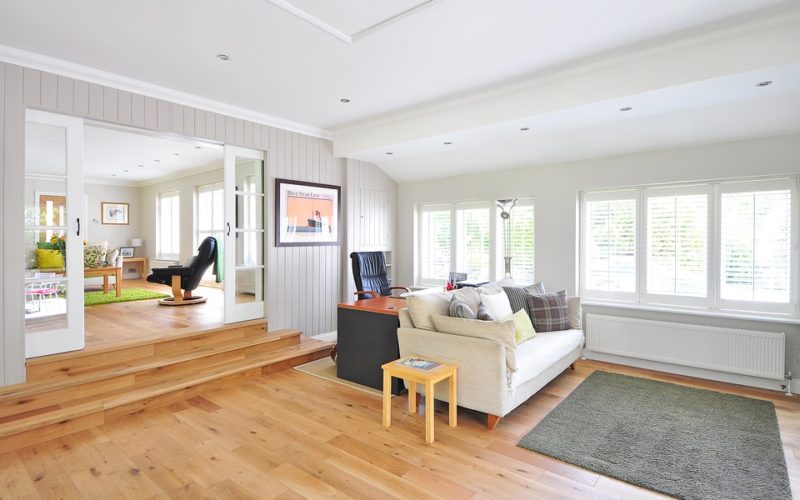
Natural light is one of the most powerful tools for making a room feel bigger. Keep window treatments light and minimal — sheer curtains or simple blinds allow sunlight to flood in without blocking the view to the outside. Mirrors are equally effective. Positioning a large mirror opposite a window bounces light around the room and creates the illusion of depth. Even in rooms with limited natural light, layering warm artificial lighting at different heights prevents that flat, boxed-in feeling.
Choose furniture that earns its place
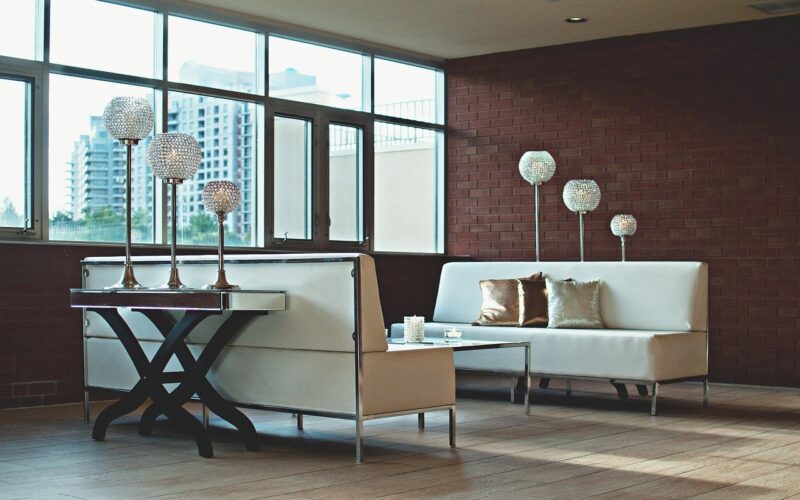
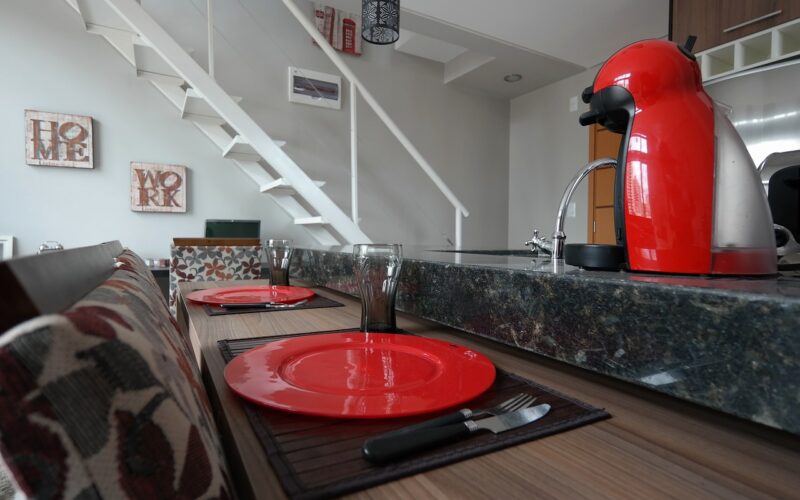
Every piece of furniture in a small home needs to justify being there. Oversized sofas and bulky wardrobes eat up floor space and make rooms feel cluttered before you've even added anything else. Instead, look for furniture with slim profiles and raised legs — pieces that sit off the floor create visual breathing room. Multi-functional furniture is worth investing in too. A storage ottoman, a bed with built-in drawers, or a dining table that folds against the wall all reduce the need for additional pieces.
Use colour to open up a room
Colour has a direct impact on how spacious a room feels. Light, neutral tones — soft whites, warm creams, pale greys — reflect light and push walls outward visually. Painting walls, skirting boards, and ceilings in the same shade creates a seamless look that removes visual boundaries. That said, a single dark or bold accent wall can actually add depth if used thoughtfully, drawing the eye and giving the room a sense of dimension rather than making it feel closed in.
Reduce visual noise
One of the most common mistakes in small spaces is having too much on display. When every surface is covered and every wall is decorated, the eye has nowhere to rest — and the room feels chaotic. Editing down to the things you genuinely love and use creates a calmer, more spacious atmosphere. Closed storage is your friend here. Shelving with baskets, built-in cabinetry, and furniture with hidden compartments keep everyday items out of sight without requiring you to get rid of everything.
Think vertically
When floor space is limited, the solution is often to look up. Tall bookshelves, high-mounted shelving, and floor-to-ceiling curtains all draw the eye upward, making ceilings feel higher and rooms feel larger. Hanging curtains close to the ceiling — even if the window sits lower — is one of the simplest tricks for adding height to a room. Vertical lines in wallpaper or tiling work in the same way, creating the impression of more space without any structural changes.
Small changes, big impact
Transforming a small home doesn't require a renovation budget or a complete overhaul. Often, it comes down to being intentional — choosing furniture that fits, keeping surfaces clear, and letting light move freely through the space. Start with one room, make a few targeted changes, and see how different it feels. Once you understand the principles, applying them throughout the rest of your home becomes second nature.