Silica sand is everywhere. It's in your smartphone screen, the concrete beneath your feet, and even in the equestrian arenas where horses train. This unassuming material has become one of the most extracted resources on Earth, second only to water. Yet its extraction—particularly through dredging—comes at a significant environmental cost that often goes unnoticed.
Dredging operations that harvest fine silica sand from riverbeds, coastlines, and ocean floors are causing widespread ecological damage. From disrupted marine habitats to increased coastal erosion, the consequences ripple far beyond the extraction sites themselves. As demand for silica sand bulk bags continues to rise across construction, manufacturing, and specialised industries, understanding these environmental impacts has never been more critical.
What makes silica sand so valuable?
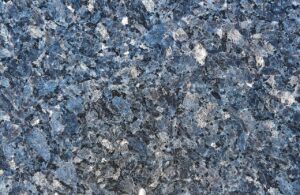
Silica sand's unique properties make it indispensable across numerous industries. Its high silica content (typically 95% or more) and uniform grain size create exceptional strength and durability. In construction, it forms the backbone of concrete and mortar. Glass manufacturers rely on its purity to produce everything from windows to bottles. The oil and gas industry uses it in hydraulic fracturing, whilst foundries need it for metal casting moulds.
Beyond these traditional applications, fine silica sand serves specialised purposes too. Equestrian facilities use equestrian silica sand for arena surfaces because it provides excellent drainage and cushioning for horses' joints. Water filtration systems depend on its filtering capabilities, and electronics manufacturers require ultra-pure silica for semiconductor production.
The hidden costs of dredging
Dredging for silica sand involves removing sediment from underwater environments using powerful suction equipment or mechanical excavators. Whilst efficient for extraction, this process devastates local ecosystems in several ways.
Marine habitats suffer immediate destruction. The suction and excavation equipment physically removes organisms living in and on the sediment, including molluscs, crustaceans, and organisms that form the foundation of aquatic food webs. Fish spawning grounds disappear, and coral reefs—already vulnerable to climate change—face additional stress from increased sediment in the water column.
Water quality deteriorates rapidly during and after dredging operations. Suspended sediment clouds the water, reducing sunlight penetration and hindering photosynthesis in aquatic plants. This turbidity can persist for weeks or months, affecting species far from the extraction site. Heavy metals and pollutants trapped in sediment for decades get released back into the water, contaminating ecosystems and potentially entering human food chains.
Coastal erosion accelerates when sand is removed from nearshore areas. Beaches and riverbanks lose their natural buffers against storms and flooding. Communities that depend on these natural defences face increased vulnerability to extreme weather events, whilst beach tourism suffers from disappearing shorelines.
The scale of the problem
Global sand extraction has tripled over the past two decades, reaching an estimated 50 billion tonnes annually. Rivers like the Mekong in Southeast Asia and the Yangtze in China have seen dramatic changes to their flow patterns and sediment loads. Some Indonesian islands have vanished entirely due to sand mining, whilst Singapore has expanded its land area by 20% using imported sand—much of it dredged from neighbouring countries' waters.
The environmental costs extend beyond immediate extraction sites. Transportation of silica sand bulk bags across continents adds carbon emissions, whilst processing facilities contribute to air and water pollution. The industry's growth shows no signs of slowing, driven by urbanisation in developing nations and emerging technologies requiring ever-purer silica.
Moving towards sustainable alternatives
Addressing the environmental impacts of silica sand dredging requires a multi-faceted approach. Recycling construction materials can reduce demand for virgin sand. Manufactured alternatives, though not suitable for all applications, offer promise in certain industries. Stricter regulations on extraction practices, combined with comprehensive environmental impact assessments, can minimise damage whilst allowing necessary extraction to continue.
For industries relying on specialised products like equestrian silica sand or fine silica sand for filtration, sourcing from responsibly managed quarries rather than dredged sites represents a more sustainable choice. Land-based extraction, whilst not without environmental concerns, typically causes less ecological disruption than underwater dredging and allows for better rehabilitation of extraction sites.
The true cost of silica sand extends far beyond its market price. Every grain carries an environmental burden that demands recognition and action. By understanding these impacts and supporting sustainable sourcing practices, industries and consumers alike can help protect the aquatic ecosystems that bear the hidden costs of our sand-dependent world.